How Technology Is Shaping the Modern Home Buying Experience
The landscape of home buying has undergone a remarkable transformation, thanks to rapid technological advancements. From virtual tours to AI-driven insights, technology is making the process more efficient, transparent, and tailored to individual needs. For instance, South San Jose real estate agents Pauline and Jacob David, operating under the Pauline And Jacob Real Estate Team, leverage these innovations to provide clients with comprehensive and personalized services. Their website offers detailed neighborhood guides, property listings, and market insights, reflecting their deep expertise in South San Jose.
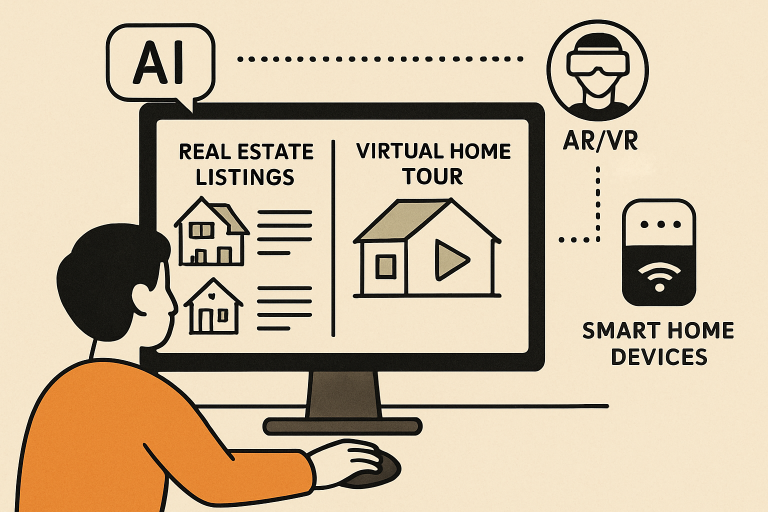
Virtual Tours and 3D Walkthroughs
Gone are the days when prospective buyers had to visit multiple properties in person. Now, high-resolution 3D virtual tours allow individuals to explore homes remotely, providing a realistic sense of space and layout. This innovation not only saves time but also helps buyers narrow down their options before scheduling physical visits.
Virtual tours and 3D walkthrough technologies have continued to improve, leveraging laser-scanning and panoramic photography to recreate every detail of a property’s interior. These advancements help international and out-of-state buyers participate in the market, as relocating professionals and busy families can tour numerous homes in less time. Many real estate websites offer interactive maps, allowing viewers to click through rooms and even take measurements as if they were inside the house. This revolution in presentation technology has also benefited sellers, as expertly crafted virtual showings can highlight a home’s best features, generate more interest, and minimize disruption from frequent open houses.
AI-Powered Property Recommendations
Artificial intelligence has revolutionized property searches by analyzing user preferences and behavior to suggest homes that meet specific criteria. Platforms like Redfin and Realtor.com utilize AI to deliver personalized listings, enhancing the efficiency of the search process.
Beyond matching bedrooms and bathrooms, modern AI algorithms can learn subtle preferences, such as proximity to certain schools, access to public transport, pet-friendly layouts, and even aesthetic preferences. AI chatbots and virtual assistants now guide potential buyers, answering questions and recommending listings in real time. This level of service, previously available only from highly attentive agents, helps buyers stay engaged and ensures no detail is overlooked during the home search.
Big Data Analytics
Access to vast datasets enables buyers to make informed decisions. By examining neighborhood trends, price histories, and demographic information, individuals can assess property values and predict future appreciation, leading to more strategic investments.
Advanced data analytics tools aggregate information from various public and private sources, often visualizing it through interactive dashboards and heat maps. These resources reveal subtle patterns that can significantly influence a property’s future value. For investors and first-time buyers alike, the transparency and predictability offered by big data make the process less daunting and more empowering.
Augmented and Virtual Reality
Augmented reality (AR) and virtual reality (VR) technologies offer immersive experiences, allowing buyers to visualize potential renovations or interior designs. These tools help in making confident decisions by providing a realistic preview of changes before they are made.
Using AR apps on smartphones or tablets, buyers can “see” new flooring options, paint colors, or even furniture arrangements layered over real images of the space. VR headsets can take this further, enabling users to walk through proposed remodels or experience staged interiors that may not yet exist in the physical world. This capability is especially appealing in new developments or fixer-uppers, giving buyers confidence to envision a property’s full potential.
Mobile Applications
Real estate mobile apps have become indispensable, offering features like instant notifications, GPS-enabled searches, and direct communication with agents. This accessibility ensures that buyers can stay updated and make timely decisions, all from their smartphones.
Mobile technology also supports on-the-go mortgage calculators, neighborhood reviews, and crime statistics, empowering buyers at every stage of the process. Some apps enable buyers to instantly schedule tours, submit offers, or chat with customer support, creating a seamless experience from the first click to closing. By maintaining immediate access to the market, buyers can make swift, informed decisions in today’s competitive environments.
Digital Transactions
The adoption of e-signatures and digital contracts has streamlined the buying process, reducing paperwork and expediting transactions. Secure online platforms facilitate document signing and storage, making the experience more convenient for all parties involved.
Digital closings are increasingly accepted. Buyers and sellers can review and sign crucial documentation securely from anywhere, a significant advantage when time zones and schedules conflict. Digital identity verification, secure storage solutions, and transparent workflows help to ensure that each step in the process is fully compliant with regulations while reducing delays and manual errors.
Smart Home Integration
The rise of smart home technology has influenced buyer preferences, with many seeking properties equipped with connected devices for enhanced security, energy efficiency, and convenience. This trend underscores the growing importance of technology in modern living spaces.
More buyers consider smart security systems, automated thermostats, lighting, voice commands, and integrated appliances essential when shopping for a new home. Smart technology not only provides convenience but can also lead to cost savings on utilities and improved quality of life. Forward-thinking developers are responding by including wired infrastructure and compatible devices as standard features in new builds, anticipating the needs of a tech-savvy generation of homebuyers.
Blockchain for Secure Transactions
Blockchain technology is emerging as a tool for ensuring transparency and security in real estate transactions. By providing a decentralized and tamper-proof ledger, blockchain can reduce fraud and streamline the transfer of property ownership.
In addition to transaction security, blockchain can facilitate the management of property records, insurance, and even fractional real estate investments. These innovations hold promise for reducing barriers to entry, eliminating the middleman, and potentially lowering transaction costs. Forward-looking markets and governments around the world are beginning to pilot blockchain platforms to register deeds, authenticate title transfers, and manage escrow accounts, all of which could make real estate markets more trustworthy and efficient.
Incorporating these technological advancements into the home-buying process not only enhances the buyer experience but also sets the stage for a more dynamic and responsive real estate market.
The Role of Social Media and Digital Marketing
Social media platforms and digital marketing strategies have become invaluable tools for both buyers and sellers in today’s real estate landscape. Agents now use platforms like Instagram, Facebook, and TikTok to showcase properties with engaging video tours, live Q&A sessions, and targeted advertising. These channels enable listings to reach broader, more precisely defined audiences, often leading to quicker sales and better matches between buyers and homes. For buyers, social media can be a powerful resource for researching neighborhoods, getting recommendations, and learning about newly available properties before they hit traditional listing sites.
Remote Collaboration and Communication Tools
Video conferencing, secure messaging apps, and collaborative document platforms have enabled buyers, sellers, agents, and lenders to work together regardless of location. This is especially beneficial for situations where participants are located in different cities or even countries. Communication platforms such as Zoom, Microsoft Teams, and Slack facilitate negotiations, virtual open houses, and inspections, breaking down barriers that would have traditionally slowed or complicated the process.
Looking Ahead
As the real estate industry continues to embrace innovation, the home-buying journey will become even more seamless, data-driven, and personalized. Future advancements may include virtual reality closings, AI-driven legal reviews, and predictive analytics that enable buyers to anticipate trends years in advance. For both first-time homebuyers and seasoned investors, staying current with these technological trends will offer new opportunities and a significant edge in the marketplace.