Get the Smart Tips for Home Maintenance and Renovation
Buying a home is one of the turning points of life which is seen as an endpoint. In truth, however, it is an event that marks the beginning of the process, as the real work commences with the purchase of the home. Maintaining the property in order to enhance its appeal and ensure that it retains its worth.
Why Home Maintenance Is Often Ignored — Until It’s Too Late
The process of house maintenance or home furnishing is usually ignored until there is a pressing need to deal with it, such as a faulty tap or a fissure in the wall, or the fact that the air conditioning was non-functional in May. It is quite easy to be caught off guard by minor maintenance issues since people tend to only consider maintenance when it is too late.
How Small Problems Turn Into Big Bills Here’s the thing about some problems: they rarely stay small. A tiny roof
leak that is always ignored for six months can turn into a damp patch on the ceiling, then peeling paint, then a complete waterproofing job. Which costs a few rupees to fix early can balloon into a five-figure repair bill later. That’s really the whole argument for regular upkeep in one sentence.
Areas That Tend to Cause the Most Trouble
There are a handful of areas that tend to cause the most trouble if left unchecked.
1. Roof and Waterproofing:
The roof is usually the first thing people forget about, because you can’t see it from inside the house. But a quick inspection before monsoon — checking for cracks, clogged drains, or worn-out waterproofing — can save you from a nightmare during the rainy months.
2. Plumbing:
Plumbing is another quiet troublemaker. Pipes will not tell you that they’re decaying or losing pressure; you have to notice the water bill creeping up or the flow getting weaker, and by then something’s already
wrong.
3. Electrical Wiring:
You should pay more attention to the electrical wiring as this usually gets especially in older homes. It is not a joke, nor
something to laugh off. Short circuit is not only annoying, it is dangerous. If your home is 10-20 years old and you haven’t checked wiring, that’s worth putting on the to-do list vs. later.
4. Walls and Paint:
Walls also have their own stories too. If you notice damp patches on walls, cracks or flaking paint, it’s generally a sign that
something is going wrong or on beneath the surface with moisture finding its way into places it shouldn’t be. Repainting your house every few years isn’t just about to look good. It’s often the easiest way to catch
these issues while they’re still minor for you.
5. AC and Ventilation:
There is the air conditioning (AC) and ventilation system, which people don’t notice unless it breaks down. But a service in
one year normally means lower electricity bills and a cleaner indoor environment.
Renovation Traps to Watch Out For
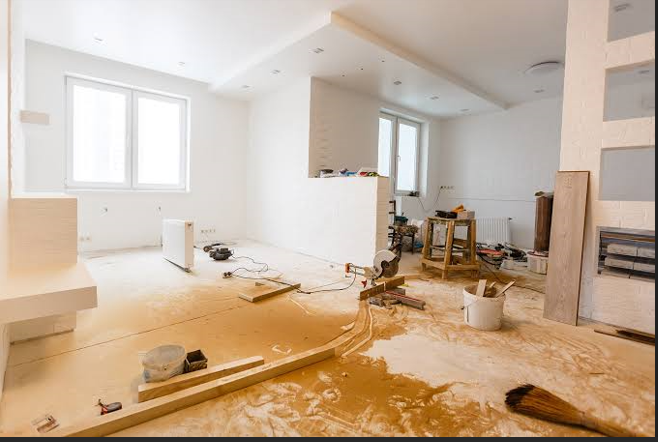
Renovation is a slightly different beast and it comes with its own set of traps.
1. Budget for a Renovation
The first one is the budget. Pretty much every renovation goes over budget. That’s pretty much a law of nature at this point. It’s not pessimism to add a buffer of 10-15% on top of whatever number you come up with, it’s just realistic. Somewhere along the way you’ll also need to separate what the project really needs from what would just be nice to have. You need to fix a leaking pipe. The new wallpaper can wait.
2. Choosing the Right Contractor
Perhaps the most important decision you will make in the process is choosing the right house contractor. It is worth spending an extra week or two looking at past work, talking to a couple of past clients if you can, and getting more than one quote before you commit. And if you plan to live in the house for years, it’s helpful to think a bit beyond current trends will this layout still work if the family grows? Or are the fixtures energy efficient enough that they won’t feel out of date in 10 years?
A Seasonal Maintenance Rhythm
There is a seasonal rhythm which keeps things from piling up. Check roof, drainage & water proofing before monsoon. Get the AC serviced before the summer hits. Use winter to check heating and insulation. And once a year, it pays to have a professional take a proper look at the wiring and plumbing, not just assume all is well because nothing’s broken yet.
Mistakes People Keep Making
Some errors are constantly repeated. People try to DIY things that really shouldn’t be DIY’d. Electrical and structural work is for the professionals, period. Maintenance gets delayed with the classic “it’s fine for now,” which almost always means the eventual fix will be more expensive. Many people try to save money by using cheaper and low class materials that need to
be repaired twice as often which takes more money as compared with 1 time better investment. Ironically, this costs more in the long run than just buying the better option up front.
Conclusion
You don’t have to turn your life into a maintenance schedule. It’s really about listening before it gets expensive and choosing contractors and materials with a little bit of thought instead of rushing the decision. If you do that all the time your home will not only stay livable but really well taken care of. The kind of home that keeps its value, and doesn’t spring surprises on you every other season.