How to Select the Best Roof for Lasting Protection and Curb Appeal
Key Takeaways
- Asphalt shingles are affordable and versatile, but have a shorter median lifespan.
- Metal roofs are durable and energy-efficient, though their upfront cost is higher.
- Tile and slate roofs offer distinguished looks with robust longevity, but require substantial structural support.
- Environmentally friendly options are on the rise as consumers seek sustainable roofing materials.
Your choice of roofing material is one of the most impactful decisions you can make for your home’s long-term protection, energy efficiency, and curb appeal. Whether you’re building a new home or replacing an aging roof, the material you select will influence not only the look and value of your house, but also its resilience to the elements and ongoing maintenance needs. With the expertise of a reputable roofer, homeowners can navigate the many roofing options and confidently invest in a roof tailored to their budget and climate. Today’s marketplace features a wide array of roofing choices, each with unique advantages and potential drawbacks. From tried-and-true asphalt shingles to sophisticated solar shingles, your selection process should consider factors such as cost, expected lifespan, style preferences, and environmental impact. Understanding what sets each option apart empowers you to make a decision that balances practicality and aesthetics.
When exploring the best roofing material for your property, it’s wise to weigh the local climate, your home’s architecture, and your long-term goals—whether they are minimal upkeep, advanced energy savings, or eye-catching curb appeal. In many cases, the guidance of a professional is invaluable, particularly for homeowners unfamiliar with the technical differences between products. Additionally, for specialized projects or new builds, working with a qualified roof installation contractor ensures compliance with building codes and optimal performance for years to come.
Asphalt Shingles: Affordable and Versatile
Asphalt shingles dominate the U.S. roofing market due to their budget-friendly price and broad style selection. Available in colors and textures that can mimic more expensive materials, asphalt shingles are easy to install and widely supported by contractors nationwide. However, they have a typical lifespan of 20–30 years and can be vulnerable to high winds and storm damage. According to Consumer Reports, periodic maintenance and professional inspections can help maximize their performance over time.
Metal Roofing: Durable and Energy-Efficient
Metal roofing—made of steel, aluminum, or copper—has surged in popularity for its longevity (often exceeding 40 years), fire resistance, and ability to reflect sunlight, which helps reduce cooling costs during hot months. These roofs generally require less maintenance and can withstand severe weather, including hail and high winds. Although their initial price is higher, metal roofs often pay off through a longer lifespan and lower energy bills. For homeowners in areas with frequent extreme weather, these attributes can be particularly appealing.
Tile and Slate Roofing: Timeless Elegance
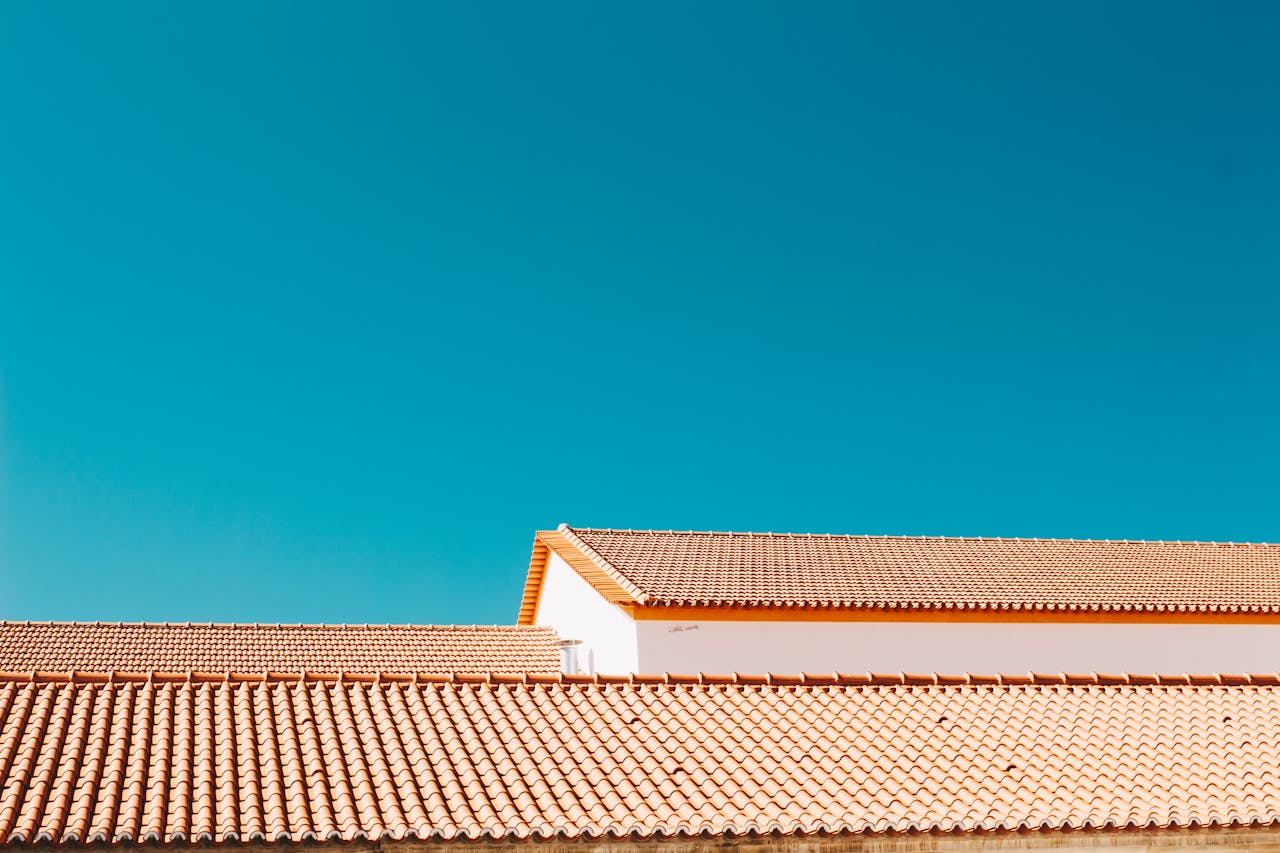
Tile (typically clay or concrete) and slate are favored for their premium look and exceptional lifespan. Tile roofs commonly last 50 years or more, offering a Mediterranean or Spanish-style flair that elevates curb appeal. Slate is often considered the ultimate in luxury and can last over a century if well-maintained. Both materials offer superior fire resistance and weather durability, but their weight may require homes to add extra structural support before installation. The added costs are offset by needing fewer replacements over the life of the house—an attractive tradeoff for historical or high-value residences.
Eco-Friendly Options: Green Roofs and Solar Shingles
As environmental concerns grow, so does interest in sustainable roofing solutions. Green roofs—systematically planted with grasses or succulents—provide enhanced insulation, reduce stormwater runoff, and offer a natural way to lower urban heat buildup. Meanwhile, solar shingles integrate photovoltaic panels directly onto the roof, enabling homes to generate renewable energy. Though their installation can be complex, these choices represent the future of eco-conscious design, blending efficiency and innovation for homeowners prioritizing long-term sustainability.
Impact-Resistant Shingles: Protection Against Severe Weather
With an increase in severe weather events—nearly 7,000 severe hailstorms were reported in the U.S. in 2023, according to the National Oceanic and Atmospheric Administration (NOAA)—impact-resistant shingles deliver critical peace of mind. Constructed to withstand hail, wind, and debris, these specialized shingles help prevent damage that can lead to expensive repairs and even qualify for insurance premium discounts. Homeowners in tornado- or hail-prone areas should consider this upgrade when evaluating their roofing options.
Maintenance and Regular Inspections
Regardless of your chosen material, consistent maintenance and inspections are pivotal to ensuring the roof’s longevity. Periodic checks for missing shingles, damaged flashing, or debris buildup in gutters can uncover minor issues before they become costly repairs. Acting quickly on professional recommendations not only reduces future expenditures but also ensures your roof continues to safeguard your biggest investment—your home.
Conclusion
Selecting the right roofing material goes beyond matching your home’s style; it’s about balancing longevity, performance, and environmental responsibility. Knowledgeable homeowners weigh the advantages of each material, consider their local climate, and consult seasoned professionals to make the best choice. Whether opting for traditional asphalt, durable metal, stately slate, or cutting-edge solar, investing in a high-quality roof ensures beauty, durability, and peace of mind for years to come.